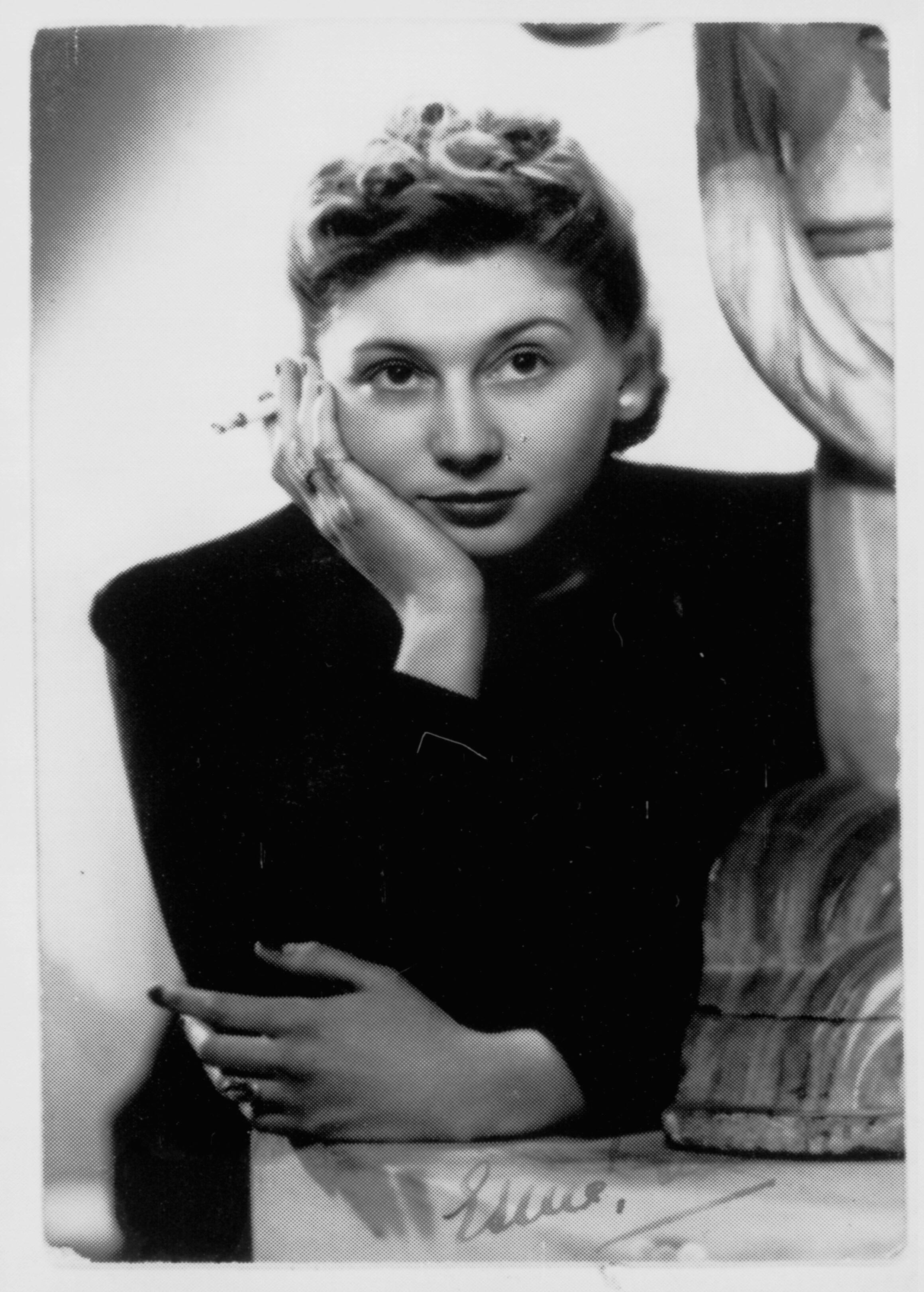
Esmée Adrienne van Eeghen was a Dutch resistance fighter during the Second World War. She was mainly active in the province of Friesland. Her story is quite remarkable, but also complicated. For many years, her role in the resistance was questioned, partly because of her relationship with a German officer. In April 2024, the Fries Verzetsmuseum officially cleared her name.
Esmée came from the well known Van Eeghen family. Her father, Reginald Hendrik van Eeghen, was a director of the Amstel brewery. After her parents divorced, she grew up mainly with her mother. In 1935, the family moved to Baarn. Esmée later trained as a nurse in Haarlem and Amsterdam. She was known for her striking appearance, independent personality and ability to speak several languages.
After the German occupation, Esmée became involved in the resistance, following her younger brother Dave. She helped find hiding places for Jewish children and students from Amsterdam. Later, she took on more dangerous tasks, including transporting Allied pilots, weapons and ration cards. She became an important courier for the resistance in Friesland and also travelled to other parts of the Netherlands.
In 1944, her position became more complicated when she started a relationship with German officer Hans Schmälzlein, who worked in Groningen. She moved in with him in July 1944. The reasons for this relationship have never been fully established. One explanation is that she hoped to obtain information about her brother Dave, who had been arrested while trying to escape to England. He later died in Bergen Belsen concentration camp.
On 15 July 1944, the Germans raided the resistance headquarters in Leeuwarden. Important documents were captured and Esmée was wrongly suspected of betrayal. Later investigations showed that another resistance fighter had revealed the information after being arrested. However, the resistance no longer trusted her and ordered her to leave Leeuwarden.
She went into hiding with her mother, but on 9 August 1944 she was betrayed by a woman she believed to be a friend, Ans Jaakke, and arrested by the SD. The Germans tried to persuade her to work for them, but she refused.
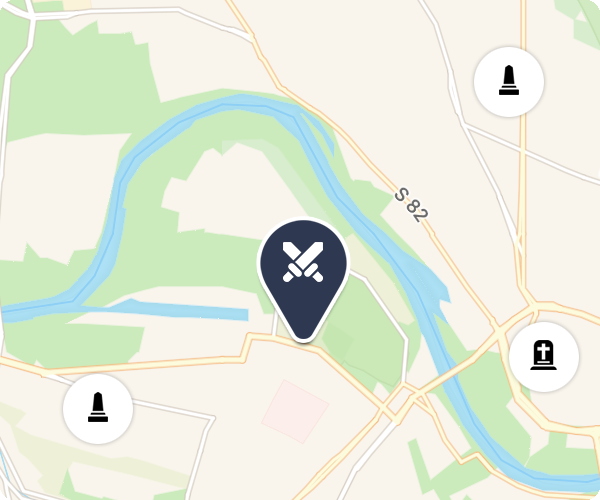
On 7 September 1944, Esmée was taken to Paddepoel near Groningen. Together with resistance fighter Luitje Kremer, she was shot by a German firing squad led by SS officer Ernst Knorr. Their bodies were thrown into the Van Starkenborgh Canal. Esmée's body was found the following day.
After the war, her name remained surrounded by controversy. Some believed she had betrayed the resistance and compared her to Mata Hari. These accusations were never supported by reliable evidence. Her story also inspired several works, including Paul Verhoeven's film Black Book, in which the main character Rachel Stein was partly based on her.
On 12 April 2024, the Fries Verzetsmuseum officially cleared Esmée's name and recognised her as a resistance fighter. Historian Hessel de Walle also published a biography in 2025, concluding that although her role in the resistance had been smaller than previously believed, she was not a traitor.
Esmée is buried in Baarn, where her grave also serves as a memorial to her brother Dave. Her name appears on the Dutch Roll of Honour for those who died during the Second World War.
On 2 May 2026, a memorial was unveiled beside the Van Starkenborgh Canal near Groningen, at the place where Esmée van Eeghen and Luitje Kremer were executed.